
Canine Photoshoot Preparation
Last week I spoke about the preparation needed for an equine photoshoot, so this week I thought I would do the same but for a canine shoot. They aren’t so dissimilar, however, there are a few key differences which I thought I’d get into today.
As I mentioned last week, the camera captures everything, even the tiniest and most insignificant detail, so anything you’re hoping may not show up, the likely hood is, it will, so the correct preparation is key to getting those picture-perfect moments you are dreaming of.
As I’ve mentioned before the cardinal rule is make sure they are clean, it doesn’t have to be a professionals hand, even a simple wash off will do, as long as they are stain free, we’re good to go. It is true that photographers can alter and change a lot during the editing process, however, this is costly in not only time but also money, so making sure your dog is looking clean and well-presented is a must. A quick trick for a shiny coat is a damp cloth with a small drop of coconut oil, brush this over their coat and the results are pure perfection.
*Do take your own precaution as this is not to be used around their neck where the collars sit, due to obvious reasons, we don’t want to increase the risk of their collar coming off over their heads.
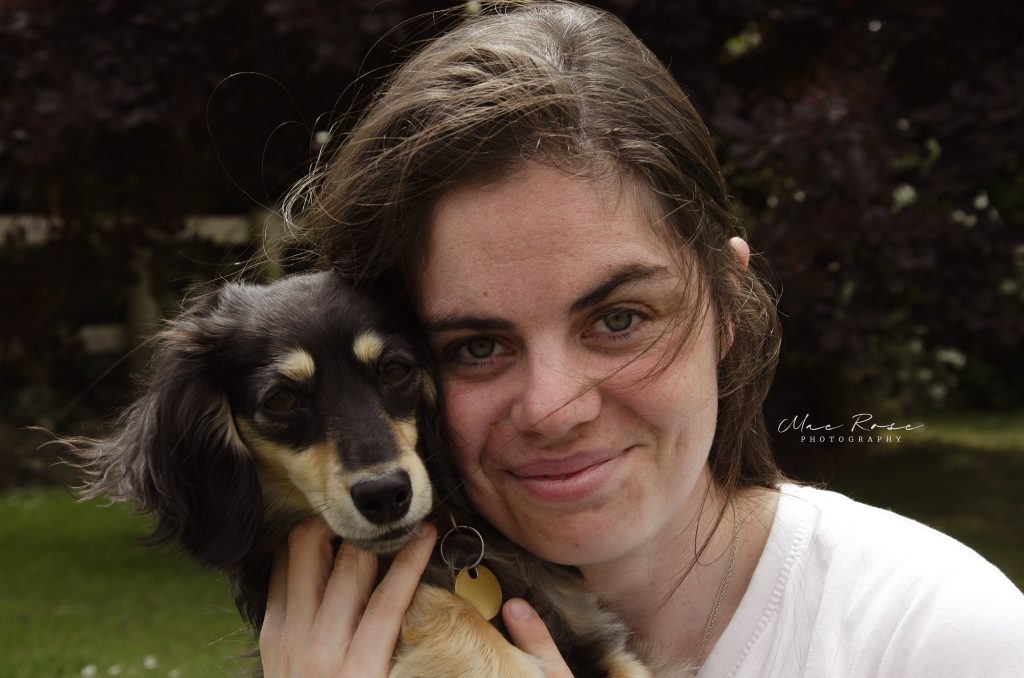
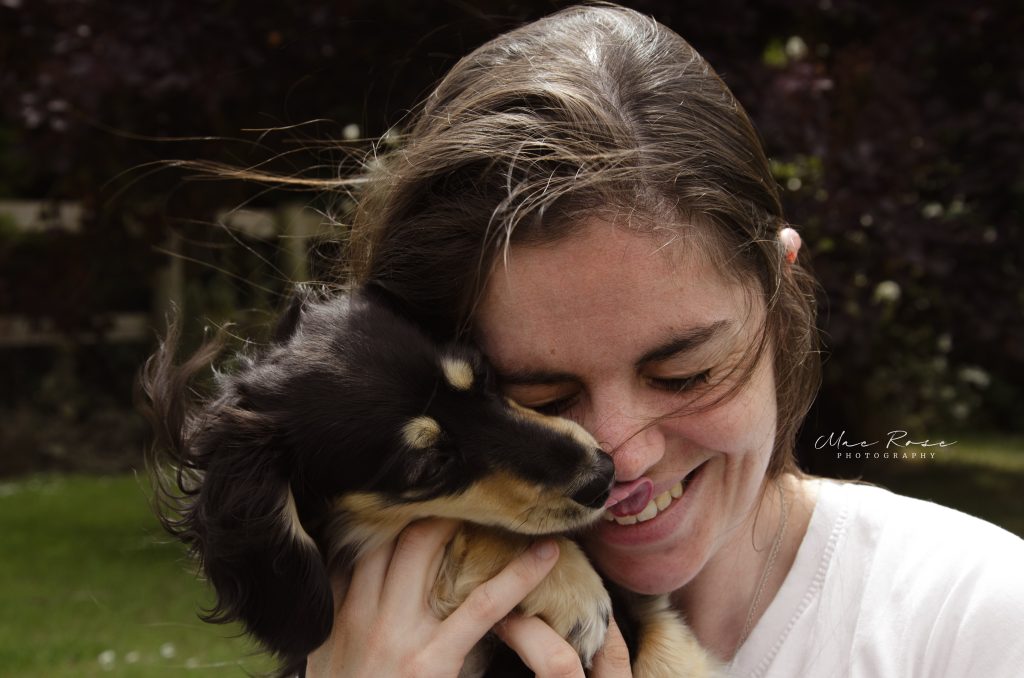
Speaking of collars, I usually use my photography collar and lead as this is specific due to its ability to be easily removed during editing. If you would like your dog to wear their collar and tag, then this can of course be arranged, it is your photoshoot remember, just make sure it is clean and if it’s leather, you can even use some of the coconut oil I mentioned above to bring back its beautiful shine. One thing I do always advise when keeping a collar or lead in shot, is to make sure it is plain and non-distracting. Black or brown leather works best. I’m aware not everyone has this, which is why I bring a spare with me for you to use for the purpose of the photoshoot.
Other things to consider are trimming the long hairs around the ears and face as this creates a fresh and clean look. Finally, please wipe their tear ducts. It is so common for dogs to get a build-up of dried tears, mucus, oil, and dead skin cells, which is called rheum, that crusty, wet build up that resides in the corner of their eyes. I remove multiples of these during editing, but it takes up time that could be so easily saved by a simple wipe of their eyes.
I’ve spoken a lot about the preparation for your dog, which is the main subject, however, certain packages, like my full package includes you too, therefore, I want to touch briefly on a few things that you can do, which make a huge difference to the overall photo.
Clothing. What you wear, more specifically the colour of what you wear is profoundly important. As a photographer, I am always looking for contrasts in an image, especially if there is more than one subject. So, when choosing what to wear, try to choose colours that contrast your dog. If your dog is on the lighter side – opt for something darker, wear colours will stand out against their coat. If on the other hand your dog’s coat is on the darker side – opt for something lighter, something that will stand out against their darker hair.
I always encourage clients to stay within a monochrome colour range, blacks, whites, greys, creams, clothing that has minimal prints or patterns. No logos or slogans. The reason being is it’s less distracting on the eye when you look at the final image. You want your dog and you to be the centre and main focus. That said, if this doesn’t reflect your personality, then of course, wear what makes you feel comfortable, I’d just ask yourself if you feel it will enhance the image or take from it.
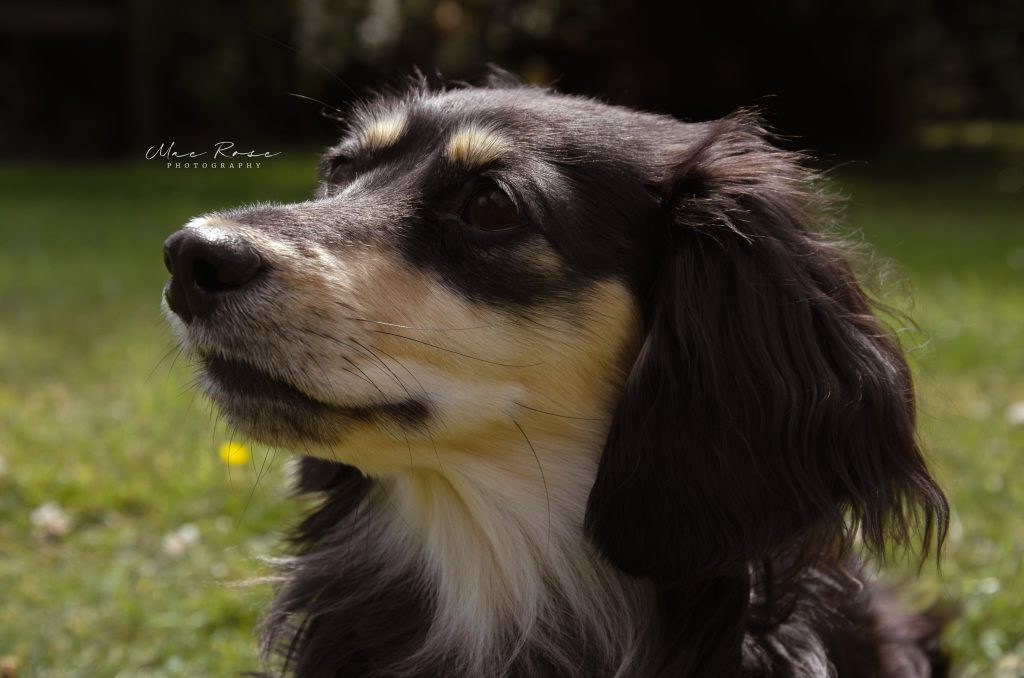
Canine Mental Preparation
Your dog’s mental prep is so important for a shoot to run smoothly, the tips and trick below can be used for any dog, however, are aim more towards dogs will a little more energy, like working breeds, where it is more in their nature to be a little more highly strung and alert, especially for something out of their normal routine.
- Book your photoshoot in the morning to mid-morning. I say this as it gives you more options that may work for your dog. For example, if you book in the morning, you could get to the chosen location a bit before and walk them prior to our start time, this means they are familiar which the environment due to spending some time already there but also, they are tired from the exercise.
- Open mindedness. Canine shoots tend to be a lot faster in pace. Not all dogs are highly trained and most of the time, their focus will be extremely short spanned, especially if birds or a small animal runs out of a bush for instance and so I tend to shoot quite continuously. There will be some moments where we will aim to pose them, but it doesn’t always go to plan, so I like to create a relaxed environment without forcing anything.
- Rewards. Positive reinforcements or rewards after each shot can be a great way of keeping the day enjoyable for your horse. Especially special treats like a bit of cheese or cooked chicken which will also remain flavoursome in their mouth for a little while after they have finished them.
A final good practice is to bring a friend with you to help during the photoshoot, even better if your dog knows them. There is a lot of moving parts during a photoshoot and having another person to help you will make the overall experience a lot more enjoyable and smooth flowing, especially for getting your dog’s attention for more precise shots where we want those beautiful eyes piercing through the camera lens.


