
Equine Photoshoot Preparation
A question I get often is, in what way can I prepare for my photoshoot? I thought it would be the perfect topic to go into for this weeks post.
The first thing for you all to know is that the camera captures everything, even the tiniest and most insignificant detail, so anything you’re hoping may not show up, like a bit of mud on their leg or a mark on the floor, a stain on your dress, it will, so the correct preparation is key to getting those picture-perfect moments you are dreaming of.
The obvious but sometimes overlooked task is grooming, making sure your horse is clean and free of any stains or unnatural markings is a must before your photoshoot. It is true that photographers can alter and change a lot during the editing process, however, this is costly in not only time but also money, so making sure your horse is looking clean and well presented, the same way you would if going to a competition, is really important, especially for equine portraits, where they’re head will be the focus of the shoot.
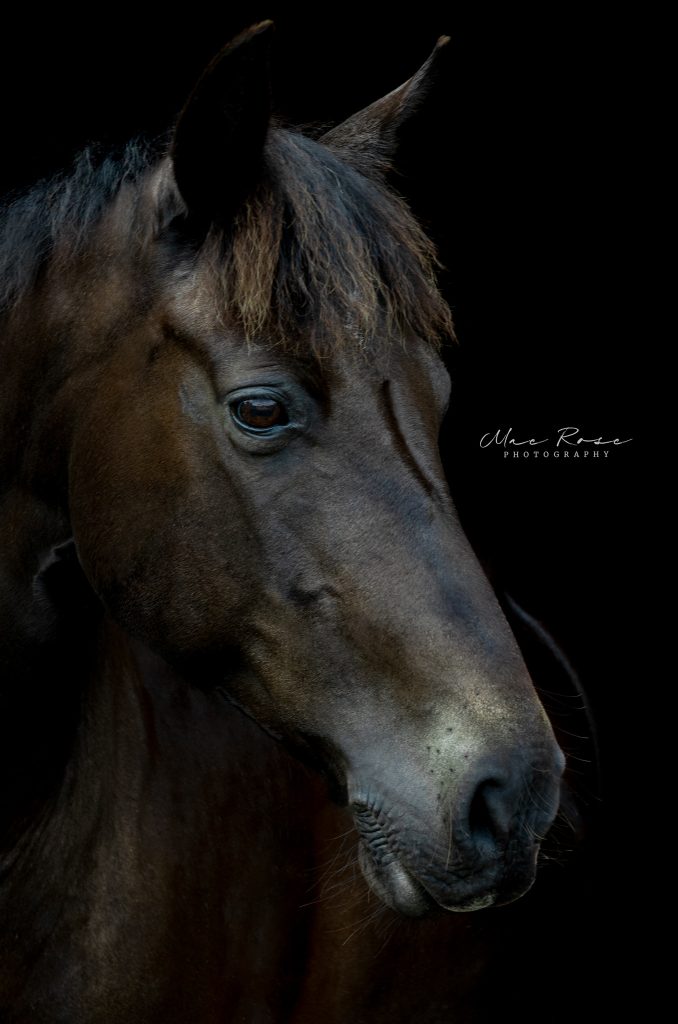
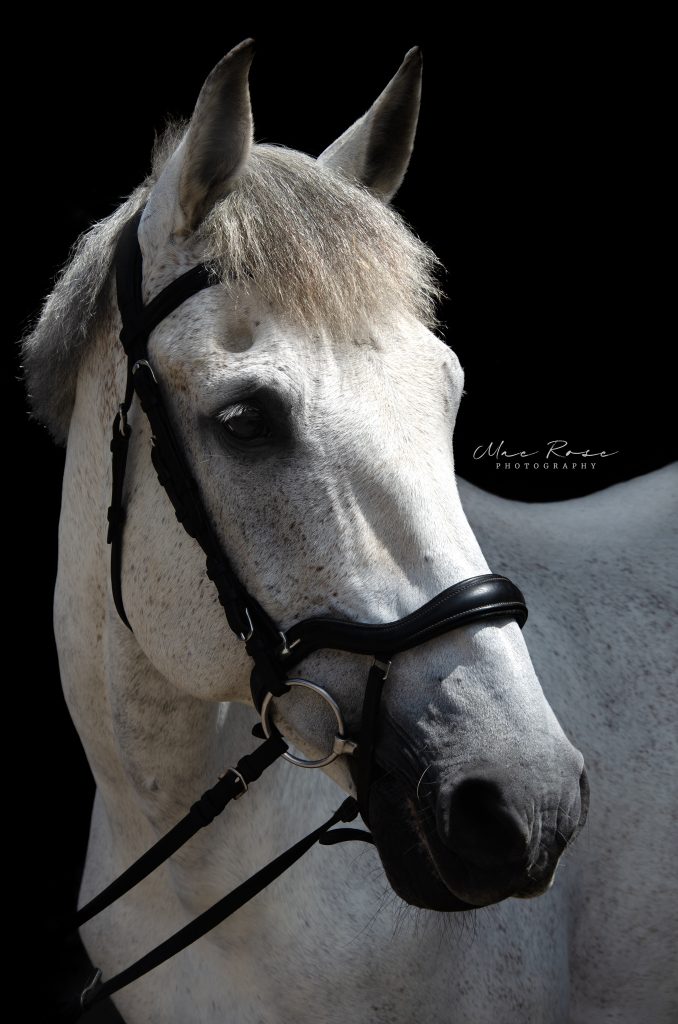
*A quick trick for a shiny coat is a damp cloth with a small drop of baby oil or coconut oil, brush this over their coat and the results are pure perfection, however, do take your own precaution as this is not to be used if you have booked a ridden photoshoot or are due to ride straight after your photoshoot for obvious reasons, we don’t want anyone’s saddles to start slipping off.
Now your horses coat is shining, it brings us to their attire, this is as important, which leads me onto my second must do, please don’t neglect your tack. During a photoshoot, certain packages give you an option to do an equine outfit change, this can be for a bridle or particular show headcollar etc which can add a touch of elegance or personality into your photos but if you forget to clean it, your horse will look sparkling, but their lacklustre tack will be extremely noticeable.
A few things that aren’t a necessity but can’t make a big different are:
- Oiling hooves, this can add a touch of ‘wow’ if you’re going to a full body portrait.
- Plaiting their mane / forelock, this can add a level of prestige, especially if you’re wanting a more competitive style to your shoot.
- Trimming their mane / tall or tidying up their face whiskers.
One thing I want to mention but don’t want to add it to the list specifically is clipping. This is most certainly not a necessity but yes, it can make a horses coat look smoother and tidier, however, I wouldn’t clip a horse for the purpose of a photoshoot, especially if your horse doesn’t need to be clipped and having a thick, woolly coat is part of their breed and character.
That being said if you want to clip your horse, I generally give the rule of 5 – 7 days before your photoshoot. This gives time for the clipper track lines to soften slightly, as you don’t want these showing up in your final photos.
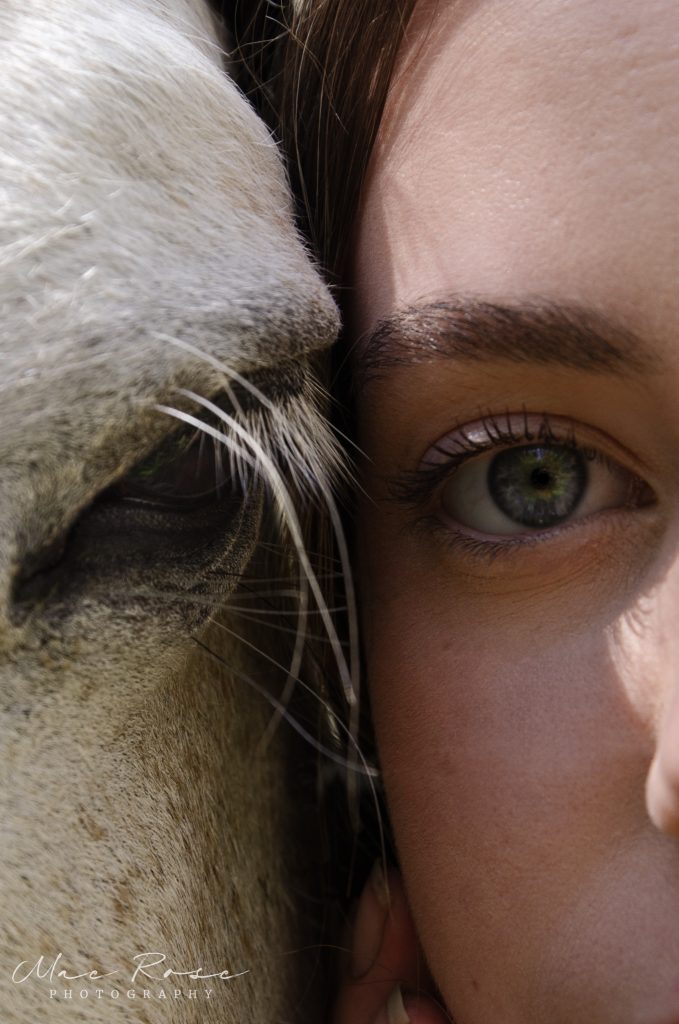
I’ve spoken a lot about the preparation for your horse which is the main subject, however, certain packages, like my partnership package includes you too, therefore, I want to touch briefly on a few things that you can do, which make a huge difference to the overall photo.
Clothing. What you wear, more specifically the colour of what you wear is profoundly important. As a photographer, I am always looking for contrasts in an image, especially if there is more than one subject. So, when choosing what to wear, try to choose colours that contrast your horses. If your horse is on the lighter side, that’s any type of Grey, Palominos or Cremellos, Light Roans – opt for something darker, wear colours will stand out against their coat, for lighter horses, you can usually wear most colours as you have more of a blank canvas in terms of their coat. If on the other hand your horse is on the darker side, so the Bays, Paint Horses, Blacks, Chestnuts – opt for something lighter, something that will stand out against their darker hair.
I always encourage clients to stay within a monochrome colour range, blacks, whites, greys, creams, clothing that has minimal prints or patterns. No logos or slogans. The reason being is it’s less distracting on the eye when you look at the final image. You want your horse and you to be the centre and main focus. That said, if this doesn’t reflect your personality, then of course, wear what makes you feel comfortable, I’d just ask yourself if you feel it will enhance the image or take from it.
Equine Mental Preparation
Your horses mental prep is so important it’ll set the tone for our session and how much your horse responds to what we are asking, the tips and trick below aim more towards breeds like, thoroughbreds and warm-blooded breeds where it is more in their nature to be a little more highly strung and alert, especially for something out of their normal routine, you can of course follow these tips and tricks for any horse, use whatever works for you.
- Book your photoshoot in the afternoon. I say this, as it gives you time, no need to rush, you can even follow the same morning routine, it gives you the option of turnout for a few hours or the time to lunge / ride them, releasing any extra energy they may have.
- Creating a relaxed environment. Yes, I like you to be ready for our start time, but this doesn’t mean they have to be fully tacked up, waiting outside their stable as I arrive. As long as they are clean and tidy, they can stay in their stable, munching on hay, chilling out until I arrive. The way I run my shoot sessions are at a steady but efficient pace. All of us equestrians know that our horses can sense our energy, so we want everything to be relaxed as possible, including us.
- Regular short breaks. There will be a lot of standing still, especially for equine portraits, which for some horses, can make them feel a little stressed, which is why I suggest constant breaks for them, in-between shots. This could be a gentle walk around before getting back into the shot position or some stretching with a treat to re-focus their attention. We can do this a much as needed.
- Rewards. Positive reinforcements or rewards after each shot can be a great way of keeping the day enjoyable for your horse. Especially fresh carrots or apples, which will also remain sweet in their mouth for a little while after they have finished them.
A final good practice is to bring a friend with you to help during the photoshoot, even better if your horse knows them and they are equestrian themselves. There is a lot of moving parts during a photoshoot and having another person to help you will make the overall experience a lot more enjoyable and smooth flowing, especially for getting your horses attention for more precise shots, like equine portraits, where we want those beautiful ears pricked forward.


